Post
5 Incredible Ways to Bake a Healthy Pizza Crust Tonight
Jun
Healthy Pizza Crust: The Ultimate Guide to Creating a Nutritious and Flavorful Pizza Base
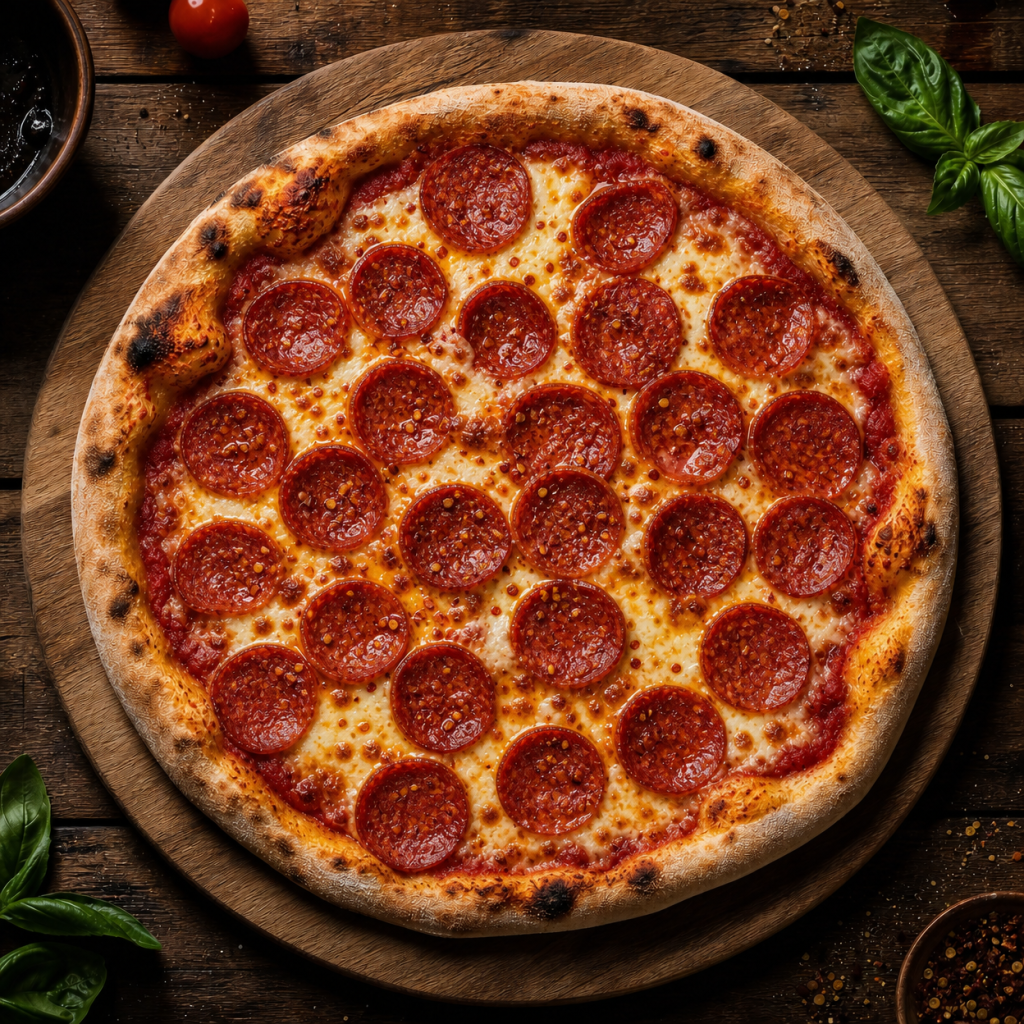
Pizza is one of the world’s most beloved comfort foods, but the quality of the crust often determines whether a pizza is truly memorable healthy pizza crust. While toppings add flavor and visual appeal, the foundation of every great pizza begins with a well-crafted healthy pizza crust. By focusing on quality ingredients and proper preparation techniques, you can enjoy a pizza that is both delicious and nutritious.
Many home cooks are surprised to discover that making a healthy pizza crust is not complicated. With a few simple adjustments to traditional recipes, you can significantly improve nutritional value while maintaining the texture and flavor that make pizza so enjoyable. This guide explores everything you need to know about creating the perfect crust at home.
Understanding the Foundations of Healthy Pizza Crust
The secret behind an exceptional healthy pizza crust lies in understanding the role each ingredient plays during preparation. Flour provides structure, water hydrates the dough, yeast creates fermentation, and salt enhances flavor while strengthening gluten development.
Traditional pizza crusts often rely heavily on refined flour. While these recipes can produce good results, incorporating whole grains and nutrient-dense ingredients can transform a standard dough into a more balanced and wholesome option. The goal is to create a crust that remains light and flavorful while offering additional health benefits.
A successful healthy pizza crust requires patience and attention to detail. Small improvements in ingredient quality and technique often lead to noticeable differences in the final product.
Why Choose a Healthy Pizza Crust?
Many people are becoming more conscious of the foods they consume, making homemade pizza an attractive alternative to highly processed takeout options. A healthy pizza crust gives you complete control over ingredients, allowing you to reduce unnecessary additives, excess sodium, and refined carbohydrates.
Another advantage is increased nutritional value. Whole wheat flour, oats, seeds, and other nutrient-rich ingredients contribute fiber, vitamins, and minerals that support overall health. These additions can help create a more satisfying meal while promoting better digestion.
Beyond nutrition, a homemade healthy pizza crust offers superior freshness and flavor. There is a noticeable difference between dough prepared from scratch and many commercial alternatives.
Best Ingredients for a Healthy Pizza Crust
Choosing quality ingredients is one of the most important steps in the process. To create a flavorful and nutritious healthy pizza crust, consider incorporating the following:
Whole wheat flour for added fiber
Bread flour for structure and elasticity
Oat flour for a mild, nutty flavor
Olive oil for healthy fats
Active dry yeast or sourdough starter
Chia seeds or flaxseeds
Sea salt
Filtered water
Each ingredient contributes unique benefits while helping maintain the texture expected from a traditional pizza base.
Step-by-Step Guide to Making Healthy Pizza Crust
Mix the Ingredients Properly
The first stage involves combining flour, water, yeast, and seasonings. Proper mixing ensures even hydration and creates the foundation for a successful healthy pizza crust.
Avoid adding excessive flour during mixing. Dough should feel slightly sticky but manageable. This moisture contributes to a softer interior and better oven spring.
Knead for Strength and Elasticity
Kneading develops gluten, which gives dough its structure. A properly kneaded healthy pizza crust becomes elastic, smooth, and easier to shape.
Most doughs require approximately 8 to 10 minutes of kneading by hand. If using a stand mixer, slightly less time may be needed.
Allow Adequate Fermentation
Fermentation is one of the most important stages in creating a flavorful healthy pizza crust. During this process, yeast produces gases and organic compounds that improve both taste and texture.
Allowing dough to rise slowly can significantly enhance flavor development. Many experienced bakers prefer extended fermentation periods for superior results.
Shape and Prepare for Baking
Once fermentation is complete, gently stretch the dough into your desired shape. Overworking the dough may remove valuable air pockets that contribute to a lighter healthy pizza crust.
Handle the dough carefully and allow it to rest briefly if it becomes difficult to stretch.
How Environmental Factors Affect Dough
Temperature and humidity influence nearly every aspect of dough preparation. Warm environments accelerate fermentation, while cooler conditions slow the process.
When making a healthy pizza crust, it is important to observe how the dough behaves rather than relying solely on time recommendations. Seasonal changes often require small adjustments in hydration levels and fermentation duration.
Experienced bakers learn to adapt to these variables, ensuring consistent results throughout the year.
Common Mistakes to Avoid
Even skilled home cooks occasionally encounter challenges. Some of the most common mistakes include:
Using low-quality flour
Under-fermenting the dough
Over-kneading after fermentation
Baking in a cold oven
Adding excessive toppings
These issues can negatively affect the texture and flavor of a healthy pizza crust. Paying attention to each stage of the process helps prevent disappointing outcomes.
Advanced Techniques for Better Results
Once you have mastered the basics, several advanced methods can elevate your pizza-making skills.
Extended Cold Fermentation
Professional bakers often refrigerate dough for 24 to 72 hours before baking. This method allows a healthy pizza crust to develop more complex flavors while improving texture and digestibility.
Experimenting With Flour Blends
Combining different types of flour can create unique flavor profiles. Whole wheat, spelt, rye, and oat flour each bring distinct characteristics to a healthy pizza crust.
The key is finding a balance that enhances nutrition without compromising structure.
Using a Pizza Stone or Steel
Heat management is critical when baking pizza. A preheated pizza stone or baking steel helps a healthy pizza crust achieve a crisp exterior while maintaining a soft interior.
This technique closely replicates the conditions found in professional pizza ovens.
Frequently Asked Questions
Can I Make Dough Ahead of Time?
Yes. Dough can be prepared several days in advance and stored in the refrigerator. This approach often improves the flavor of a healthy pizza crust while making meal preparation more convenient.
Is Whole Wheat Flour Enough?
Whole wheat flour is an excellent choice, but combining it with bread flour often produces a lighter and more balanced healthy pizza crust.
What Temperature Is Best for Baking?
Most home ovens should be preheated to the highest temperature available. High heat allows a healthy pizza crust to cook quickly while developing a desirable texture.
Can I Freeze Pizza Dough?
Absolutely. Properly wrapped dough freezes well and can be thawed when needed, making it easier to enjoy homemade pizza anytime.
Health Benefits of Healthy Pizza Crust
One of the primary reasons people choose a healthy pizza crust is the ability to improve the nutritional quality of their meals. Whole grains provide fiber that supports digestion and helps maintain satiety.
Healthy fats from olive oil and nutrient-rich additions such as flaxseeds contribute valuable nutrients that are often absent in commercial pizza crusts.
Because you control every ingredient, it becomes easier to align your pizza recipes with personal dietary goals.
Creating Memorable Meals at Home
Preparing pizza from scratch is about more than nutrition. Sharing a homemade meal encourages family interaction and creates meaningful experiences.
Many families enjoy customizing toppings and participating in the preparation process. A homemade healthy pizza crust becomes the centerpiece of a meal that brings people together while promoting healthier eating habits.
Conclusion
Mastering a healthy pizza crust is a rewarding skill that combines culinary creativity with nutritional awareness. By selecting quality ingredients, allowing proper fermentation, and applying effective baking techniques, you can consistently produce excellent results at home.
Whether you are looking to improve your diet, enhance your cooking skills, or simply enjoy better homemade pizza, investing time in learning how to create the perfect healthy pizza crust is well worth the effort. With practice and experimentation, you’ll develop the confidence needed to create delicious, wholesome pizzas that everyone can enjoy. site . link
